For week 9 of Art and Animation, we looked at the twelve principles of animation. This was to help us get a better understanding of the fundamental rules used by every artist to make a successful animation. For this blog post, I looked at each of these principles in more detail to get a better understanding for when I make my animations.
Squash and Stretch
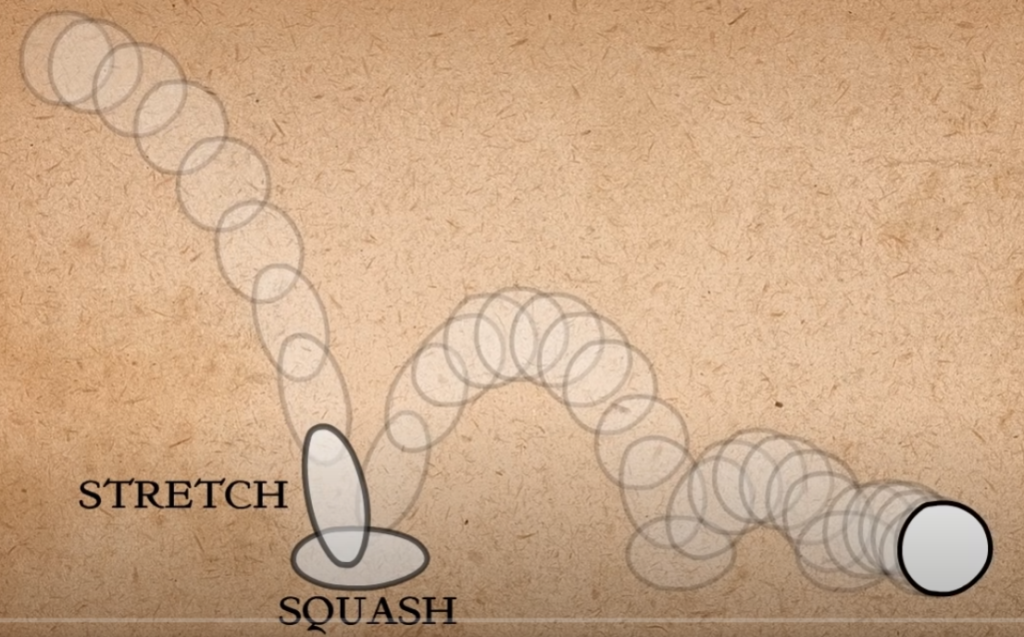
This first principle of animation tells us that as an animated object moves, it gets longer and then compressed on impact with a surface. This technique helps to emphasise the weight and momentum of the object, helping the viewer understand its mass.
Anticipation
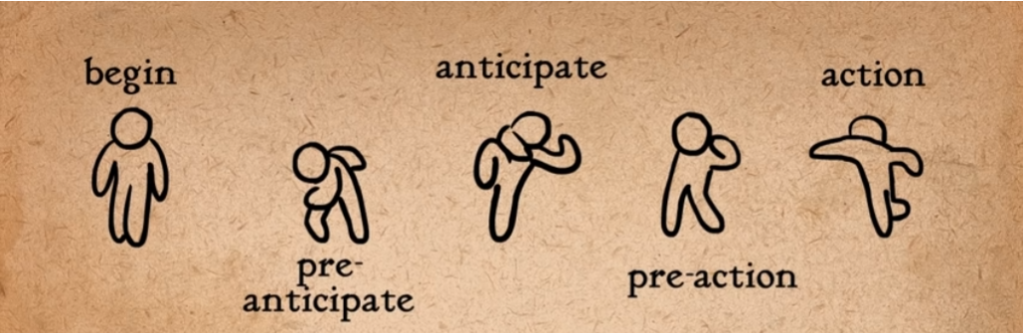
Anticipation is where each action in the animation needs to have a build-up before it happens. Because of Newton’s first law, any object will remain in motion until an external force acts upon it.
Staging
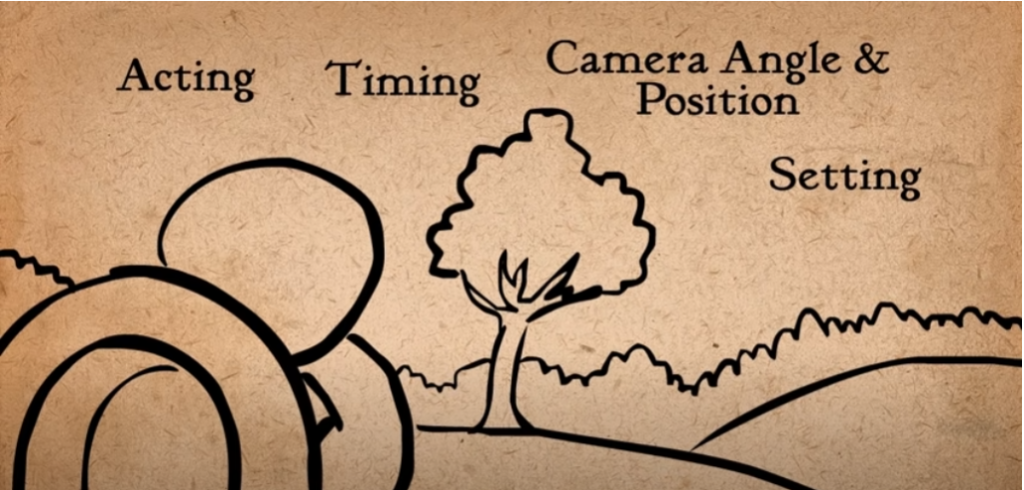
Staging is how the scene itself is set up. If used correctly, this principle can clearly illustrate to the viewer the most important things in the scene, helping to even tell a story.
Straight Ahead and Pose to Pose
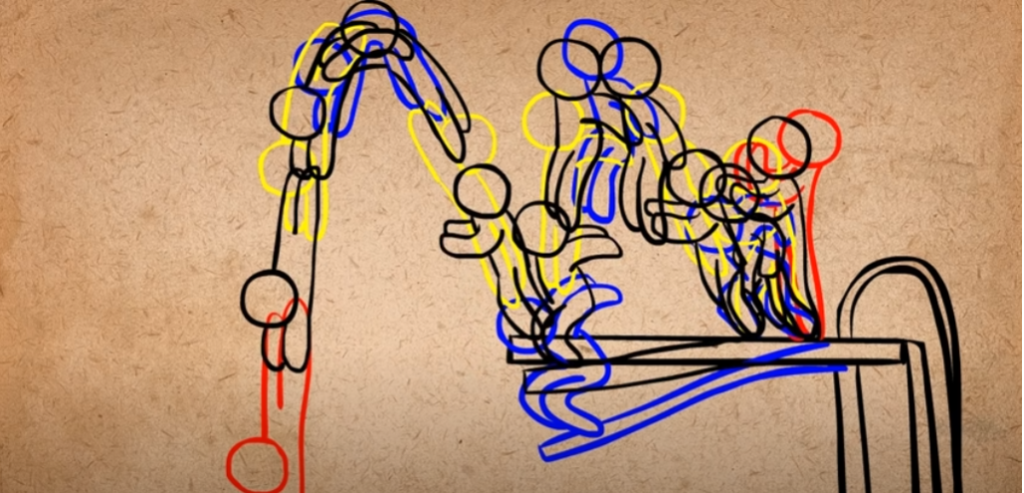
This principle is made up of two different techniques used when creating an animation. Straight ahead is where you draw the animation frame by frame, with slight adjustments each time until you reach the end of the motion. Pose to pose is where to start with drawing the animation’s keyframes, and then filling in the gaps between them. This method works better for consistent motion, as it allows you easily see gaps in the animation compared to Straight ahead.
Follow Through and Overlapping Action
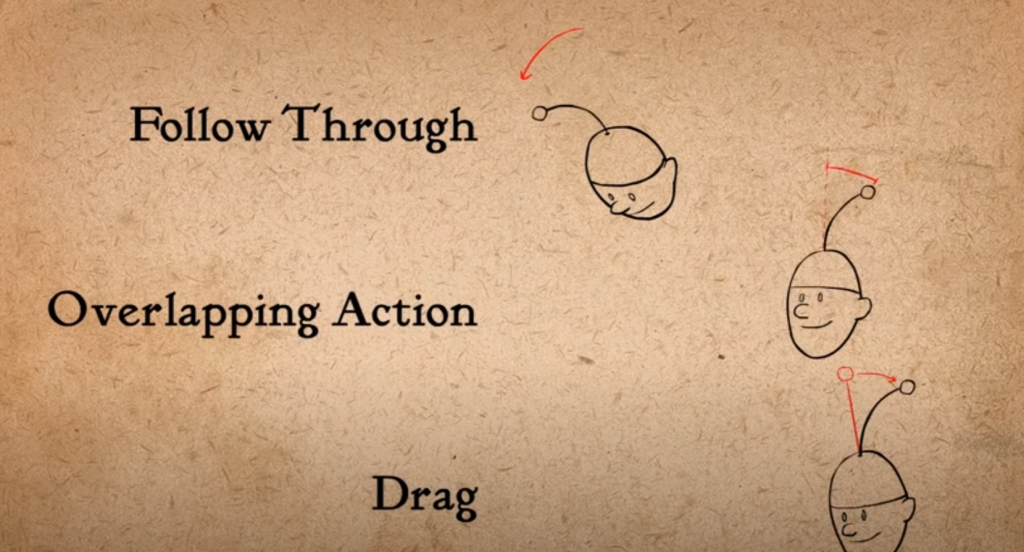
Follow through in terms of this principle is where an object continues moving briefly after the initial movement, like how the antennae would bounce back in the image above. Overlapping action is where different moving aspects of the animation move at different speeds.
Slow In and Slow Out
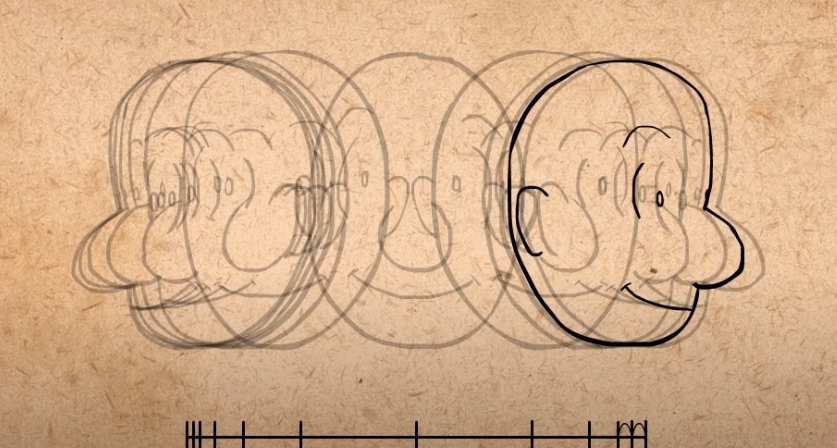
For this principle, additional frames at the beginning and end of the animation make the movement more fluid and realistic, adding life to your animation.
Arcs
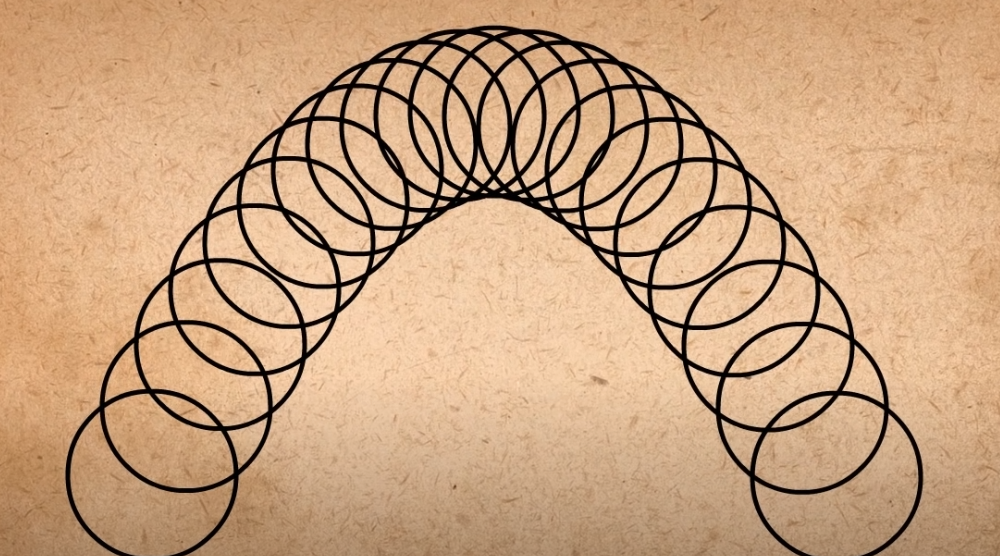
Mapping out the movement in your animation with a curve instead of from one point directly to the next helps it appear much more natural and less rigid.
Secondary Action
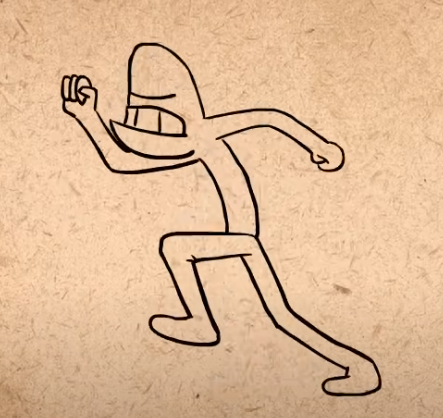
With this principle, you add another action for your character to carry out alongside another. This helps the movement appear much more lifelike and can convey other things as well, for example, the emotions of the character.
Timing
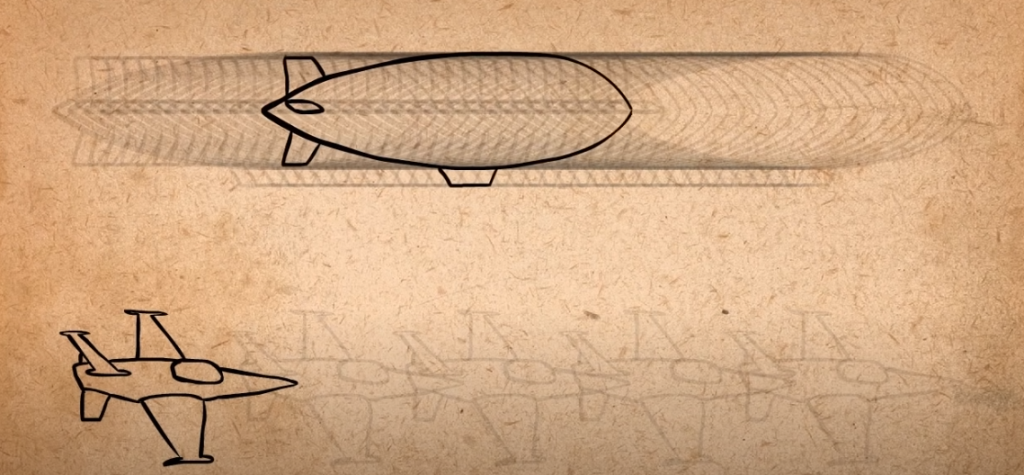
If you are animating a light object’s movement, this principle reminds you that it needs to move faster that a heavy object, which would have to be animated to appear slower to represent real-life physics.
Exaggeration
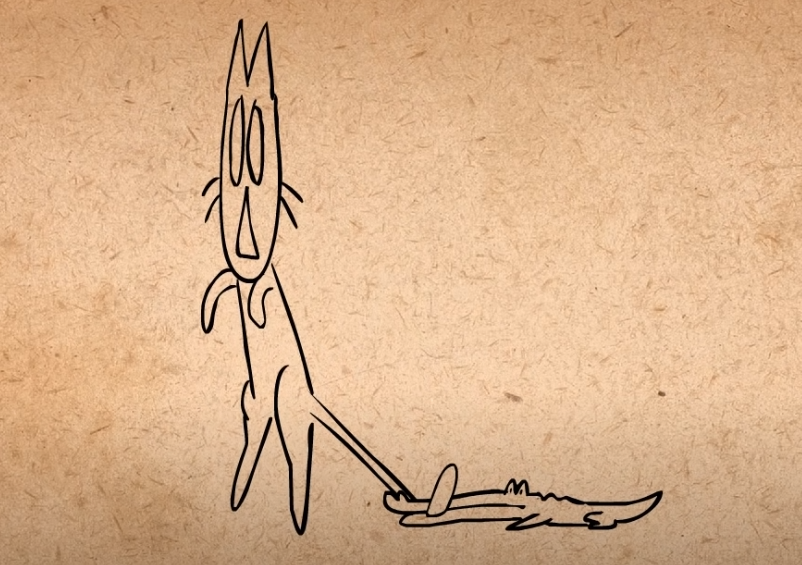
By animating actions that look beyond realistic, it helps your animation look much more interesting and even helps the realism. This can help emotions be much more clear in the animation, but also much more cartoonish at the same time, so depending on the tone of your animation you can control the level of exaggeration.
Solid Drawing
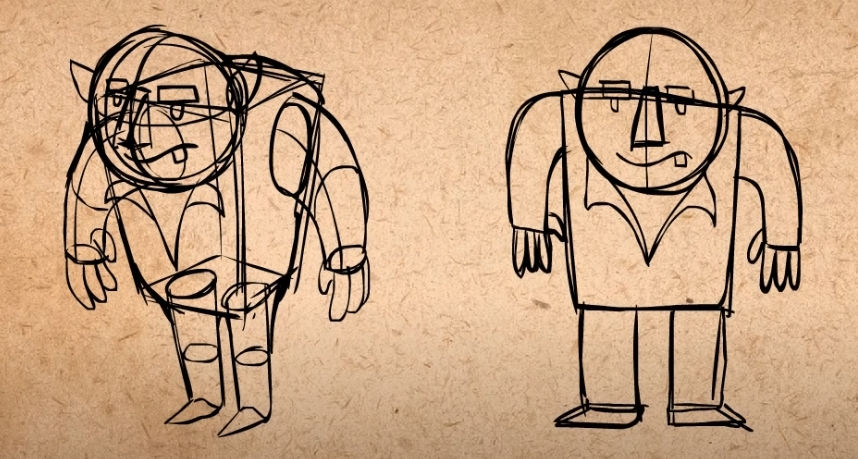
Instead of drawing a flat 2D character or object for your animation, Solid drawing is the principle that tells us that realistic 3D drawings add much more life to our animations.
Appeal
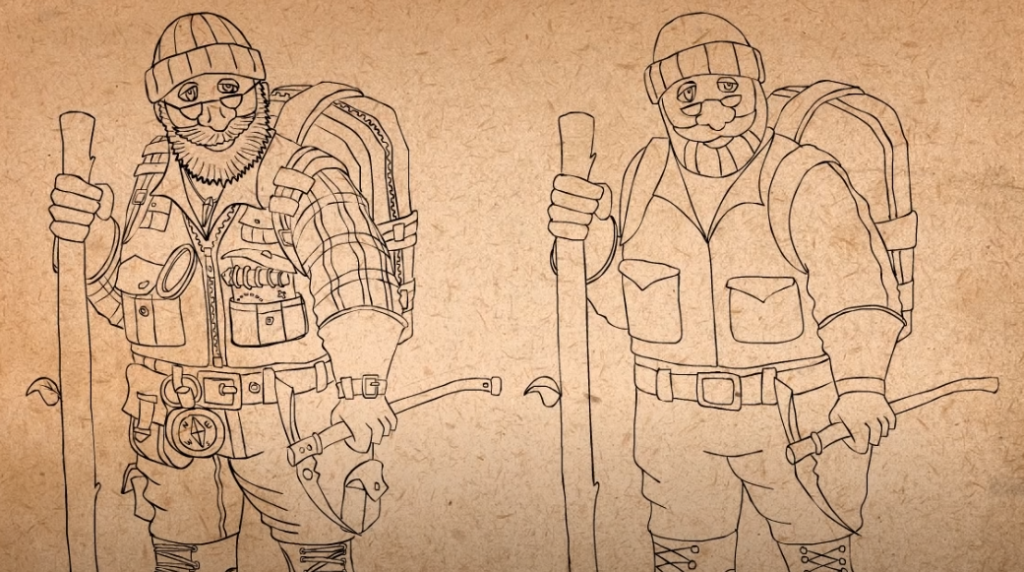
Appeal is all about making interesting characters and objects with eye-catching designs. Adding to this, characters with easy-to-recognise silhouettes are very effective as well, as it distinguishes the character from any others featured and makes them much more memorable.
References:
AlanBeckerTutorials (2017) 12 Principles of Animation (Official Full Series) [Video]. Available online: https://www.youtube.com/watch?v=uDqjIdI4bF4